What is this plague that causes numerous visits to the emergency department for young and old alike? One word: falls. And three-quarters of them happen at home. And unless your home is built out of bubble wrap, that could cause an injury–sometimes a devastating one.
The best way to reduce the risk of falls is to keep our bodies in shape and our minds alert. But there are many practical things we can do to help prevent them around the house as well.
For the younger set, here are some simple rules:
Don’t leave babies unattended on beds, tables, or couches. Get rid of sharp corners. Block stairs. Secure area rugs, or get rid of them.
For older folks:
Remove area rugs. Eliminate electric wires and other trip hazards. Get rid of step stools and ladders so we are not tempted to get on them and fall. Use non-slip mats in bathrooms. Make sure the home is well lit. Install handrails. No loose-fitting slippers. And know whether medication can cause dizziness.
Watch your step out there!
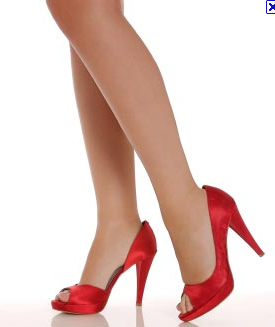
We all know you can’t judge people until you walk in their shoes. But should we be walking in other peoples’ shoes? Sounds painful.
Our own feet are much too important.
Consider that every foot is made of twenty-six bones, thirty-three joints, nineteen muscles, and one hundred and seven ligaments. Lots can happen!
So take time, and care, when buying shoes. Here are some guidelines.
Feet should be measured while standing.
Measure both feet and fit the shoe to the largest one.
Forget shoes that need to be “broken in.” They should be comfy now.
Shop later in the day to account for swelling.
Try on shoes while wearing the socks you’d normally wear.
Make sure shoes fit the heel, the toes, and the sides of your feet and offer support.
And ladies, you’re four times more likely to have foot problems than men. Could it be those 5 inch heels? Enough said.
There’s a lot to celebrate this time of year — families, friends, traditions, and good fortune.
But I’d like to suggest that you find a moment in the midst of your busy day to take a look at your own life, and permit yourself some joy about what you have accomplished in 2011.
Was this the year you finally got a promotion, found a new friend, or sent your daughter off to college?
Did you finally forgive somebody, or discover a church where you feel at home? Were you able to lose that five pounds, or run a full mile? Break some barrier? Or just survive?
What made you feel really good this year?
It’s important to take inventory of personal successes, whether large or small. Give yourself a pat on the back, even if it’s just a quick one.
Remember the more you take time to be grateful about the good in your life, the more there is in life to be grateful about.
 Good news everybody, I’ve just distilled every New Year’s resolution in the world down to just one: In 2012 I’m going to be perfect! Why don’t you join me?!
You might not stop smoking, lose weight, be nicer to your spouse, or stop driving so fast, but otherwise you’re going to be perfect. Just be who you are, and happy about it.
I might eat too fast or slurp my soup. My wife says I snore. My eyebrows are kind of crazy. I don’t always make the bed.
But otherwise I’m perfect.
OK, occasionally I get cranky with people who don’t deserve it. I admit my fashion sense can be downright absent. I forgive myself.
I’m sure I could be better in many ways, but all in due time.
Meanwhile I’m going to continue to enjoy myself, and I suggest you all do the same.
Happy New Year!
We all know physical exercise is great for the body. But exercising the mind is equally valuable, and experts say it can help us keep our memories sharp as we age.
But you can’t put your brain on a treadmill, can you? Well, in a way, you can!
To exercise your brain, you have to challenge it, get out of your rut and try some new things:
Try learning a new language, a musical instrument, or a new game. If you spend a lot of time watching TV, turn that thing off, and do something else. Word games, crosswords, board games all help. To get your brain to make new connections, do simple things like using your nondominant hand to brush your teeth. Drive home a different way than normal.
When you eat out, do you go to the same restaurant all the time? Or take the same vacations? Mix it up! All of these things will make your brain form new connections, and slow down the effects of aging.
Just don’t get lost on your way home.