Sometime over the weekend of May 1, 2015, Â a prominent Silicon Valley executive, Dave Goldberg, died suddenly and unexpectedly. In addition to being the CEO of the popular start up Survey Monkey he was also the husband of Facebook COO Sheryl Sandberg.

Sheryl Sandberg and Dave Goldberg
As of Monday May 4, the cause of his death is still not publically known which is rather unusual for such a high profile individual. This has led to many questions and even some wild speculation including suicide or drug overdose.
With so many questions, we thought it might be useful to list some of the most probable reasons for the sudden passing of an extraordinarily successful and apparently extremely well liked and admired middle aged man who appears perfectly healthy.
The first and most likely cause of death would be an accident. In this case, however, this seems unlikely, as an accident –especially one involving a vehicle – would likely be public knowledge. Of course, a slip, fall and head trauma (such as in a bathroom) could be a possibility.
A sudden massive heart attack is a very likely cause and it is not uncommon for otherwise healthy men in their forties and fifties to succumb to sudden cardiac arrest.
Another silent killer and possibility, a brain aneurysm. Often asymptomatic even a small rupture could cause rapid death.
Those are the two most likely reasons for Dave Goldberg’s untimely demise and it will be interesting to see if the cause is ever actually disclosed.
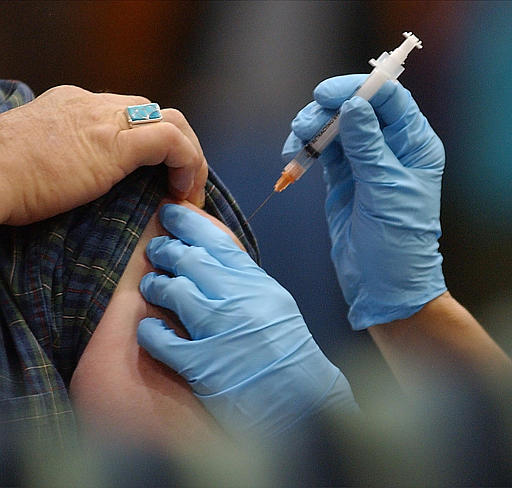
Flu season is here, so hopefully you got the vaccination. Even if you didn’t, everyone should make a habit of washing hands with soap and warm water, and avoiding unnecessary contact with anyone who has a cold. As millions of Americans crisscross the country to see their relatives, germs are traveling right along with them.
So the basic tips to help you through this year’s flu season:
- Get vaccinated – it’s still not too late
- Wash your hands.
- Wash them again.
Here’s to a happy and healthy New Year!
Remember when we used to flush old medications down the toilet to get rid of them? Please don’t do that anymore. Even as long as a decade ago, studies found that chemicals from discarded meds were found in eighty percent of America’s streams.
In most communities we can now find pharmacies that take and dispose out-of-date medications. Residents can take prescriptions and other chemicals to a Hazardous Waste Collection Facility.
I point this out because as Spring nears, it’s a good time to do a sweep of your medicine cabinet, and check discard dates. If you’re like most of us, you’ve forgotten what those pills were for anyway.
If you’re disposing of prescriptions, be sure to mark out your name and other personal information on the label.
Don’t just check prescriptions. Over the counter items also have expiration dates. Get rid of everything that’s not current.
But don’t flush.
I haven’t personally counted, but the average person will walk about 115,000 miles in a lifetime.
Unfortunately, about seventy-five percent of us will develop foot problems as we go, and most of these are in women.
 We take our feet for granted, and we need them to work well to stay active. But in truth, they are complex mechanisms, and foot trouble can reflect serious issues in the body – like diabetes, arthritis, and circulatory or nerve problems.
So we must stay in tune with our tootsies. This means daily washing in lukewarm water, with soap, and drying them thoroughly, especially between the toes. Trim your nails straight across. Use a lotion to fight dry skin. Wear clean socks, and shoes that fit.
Don’t forget to inspect your feet and toes regularly. Take a look; use a mirror if needed. Watch for anything unusual, and be alert to injuries that aren’t healing. When in doubt, go see one of the excellent podiatrists in our area. Can’t get to their office? Just call the toe truck!
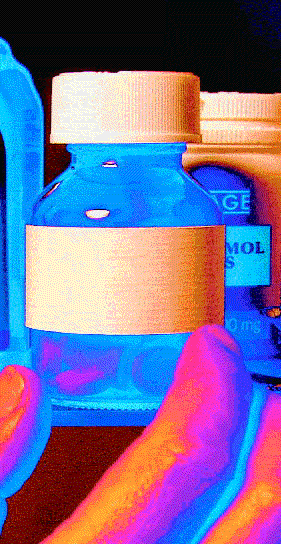 Here’s the scene. You’re at the doctor’s office or the ER and the nurse asks what medications you’re taking.
You can say, umm, well, a yellow pill, a brown pill, a purple capsule, and there’s something I squirt into my nose.
Maybe it’s time for a list!
It may sound obsessive, but it really does help. And it’s not so hard. A list can be just a three-by-five index card, or a sheet detailing the medication, what it’s for, when you take it, the dosage and who prescribed it.
Either way, your nurse will love you! And so will the doctor who might have to take care of you if you’re temporarily out of commission.
Do a list for anybody who needs more than one or two prescriptions. It’s so easy to get confused. Then a new generic comes along and you’re even more lost.
Tell you what, if you make a list, you don’t have to get me a gift this year.